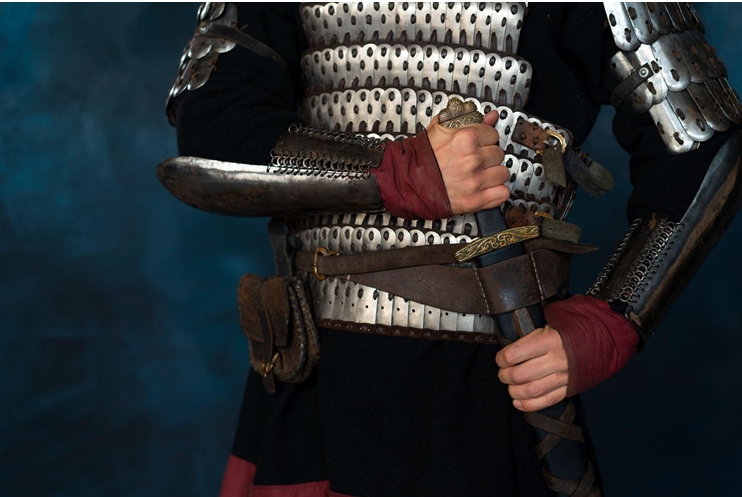
Few historical artifacts command as much respect and fascination as Samurai armor. More than battlefield protection, samurai armor represented status, discipline, loyalty, and the warrior’s personal identity. Crafted with precision and artistic vision, it balanced strength with mobility, making it one of the most advanced armor systems of its time.
Even centuries after the fall of the samurai class, samurai armor continues to inspire collectors, historians, martial artists, and cultural enthusiasts worldwide. Its enduring appeal lies in the perfect fusion of function, symbolism, and craftsmanship.
The Origins of Samurai Armor
The development of samurai armor can be traced back to Japan’s early feudal periods. As warfare evolved from mounted archery to close-combat sword fighting, armor design adapted accordingly. Early armor focused heavily on protection from arrows, while later designs emphasized flexibility and movement.
Unlike European plate armor, which relied on rigid metal plates, samurai armor used a layered construction that allowed warriors to move freely while remaining well-protected. This approach suited Japan’s terrain and combat style, where speed and precision were critical.
The Purpose of Samurai Armor Beyond Battle
While protection was essential, samurai armor served several other important roles:
- Symbol of social rank and authority
- Identification of clan and family lineage
- Psychological intimidation on the battlefield
- Expression of personal beliefs and values
Colors, patterns, and crests on samurai armor often reflected a warrior’s loyalty, courage, and spiritual philosophy.
Main Types of Samurai Armor
Over the centuries, different styles of samurai armor emerged, each designed for specific combat needs.
Ō-yoroi
One of the earliest and most iconic forms, the Ō-yoroi was designed for mounted archers. It was heavy, box-shaped, and offered strong protection against arrows.
Dō-maru
More flexible than the Ō-yoroi, the Dō-maru wrapped around the body and allowed better movement, making it ideal for foot soldiers.
Tosei Gusoku
Developed during the Sengoku (Warring States) period, this armor incorporated solid plates to defend against firearms, reflecting advancements in warfare.
Each style represents a step in the evolution of samurai armor as combat techniques changed.
Key Components of Samurai Armor
A full suit of samurai armor consists of multiple interconnected parts, each designed for protection and mobility.
Kabuto (Helmet)
The kabuto protected the head and often featured dramatic crests, horns, or symbolic ornaments. These designs helped identify warriors and inspire fear in enemies.
Menpō (Face Mask)
Menpō protected the face and sometimes displayed fierce expressions meant to intimidate opponents.
Dō (Chest Armor)
The dō shielded the torso and was often lacquered to resist moisture and corrosion.
Sode (Shoulder Guards)
Large shoulder guards protected the upper arms while allowing flexibility.
Kote (Arm Guards)
Kote combined fabric and metal plates to protect the arms without restricting movement.
Haidate and Suneate
These protected the thighs and shins, completing the armor set.
Together, these components formed a sophisticated defensive system.
Materials and Craftsmanship
The construction of samurai armor required exceptional skill and patience. Armorers used a combination of materials selected for durability and comfort:
- Iron and leather plates
- Silk or leather lacing (odoshi)
- Lacquer coatings for protection
- Decorative metals for aesthetics
Lacquering not only enhanced durability but also gave samurai armor its distinctive glossy appearance. Every piece was handcrafted, making each armor set unique.
Symbolism and Meaning in Samurai Armor
Symbolism played a crucial role in armor design. Colors and motifs conveyed powerful messages:
- Red symbolized bravery and strength
- Black represented dignity and authority
- Gold accents indicated prestige and power
Family crests (mon) displayed on armor reinforced loyalty to one’s clan and lineage. Many designs were inspired by nature, mythology, or religious beliefs.
Samurai Armor in Combat
Despite its decorative appearance, samurai armor was designed for real warfare. Its layered structure absorbed impact while allowing the warrior to remain agile. The weight was distributed evenly across the body, reducing fatigue during long battles.
Samurai armor allowed warriors to kneel, draw swords quickly, and fight in confined spaces—advantages that proved vital in Japan’s diverse battle environments.
Samurai Armor in Modern Times
Today, samurai armor is admired far beyond historical battlefields.
Collectors
Collectors value detailed reproductions and historically accurate designs.
Martial Arts and Education
Traditional martial artists study armor to understand classical combat techniques.
Display and Décor
Samurai armor is often displayed in homes, offices, and cultural spaces as a symbol of discipline and strength.
Popular Culture
Films, anime, and video games have kept samurai armor relevant, introducing it to new generations.
Choosing Samurai Armor Today
When selecting samurai armor for display or collection, consider the following:
- Accuracy of historical design
- Quality of materials and craftsmanship
- Attention to detail
- Intended purpose (display, education, or collection)
High-quality reproductions preserve the spirit of traditional samurai armor while making it accessible to modern enthusiasts.
Caring for Samurai Armor
Proper care is essential to maintain the beauty and longevity of samurai armor.
- Store in a dry, climate-controlled environment
- Avoid prolonged exposure to direct sunlight
- Clean gently using soft cloths
- Inspect lacing and fittings regularly
Respectful maintenance honors the craftsmanship behind each piece.
Why Samurai Armor Remains Timeless
The enduring fascination with Samurai armor lies in its powerful combination of history, artistry, and symbolism. It reflects a warrior culture built on honor, loyalty, and discipline—values that continue to resonate today.
More than protective gear, samurai armor stands as a cultural masterpiece that connects past and present.
Final Thoughts
Samurai armor represents one of the finest achievements in military craftsmanship. Designed for battle yet elevated by artistic expression, it embodies the spirit of the samurai warrior.
Whether admired as a historical artifact, collected as a work of art, or displayed as a symbol of strength and tradition, samurai armor remains timeless—an enduring legacy of Japan’s legendary warriors.
Media Contact
Company Name: Romanceofmen
Email: Send Email
Country: United States
Website: https://romanceofmen.com